Category: Midlife Parenting

  • The Other Side of the Bed

    The Other Side of the Bed

    midlife-hustle.com
    midlife-hustle.com

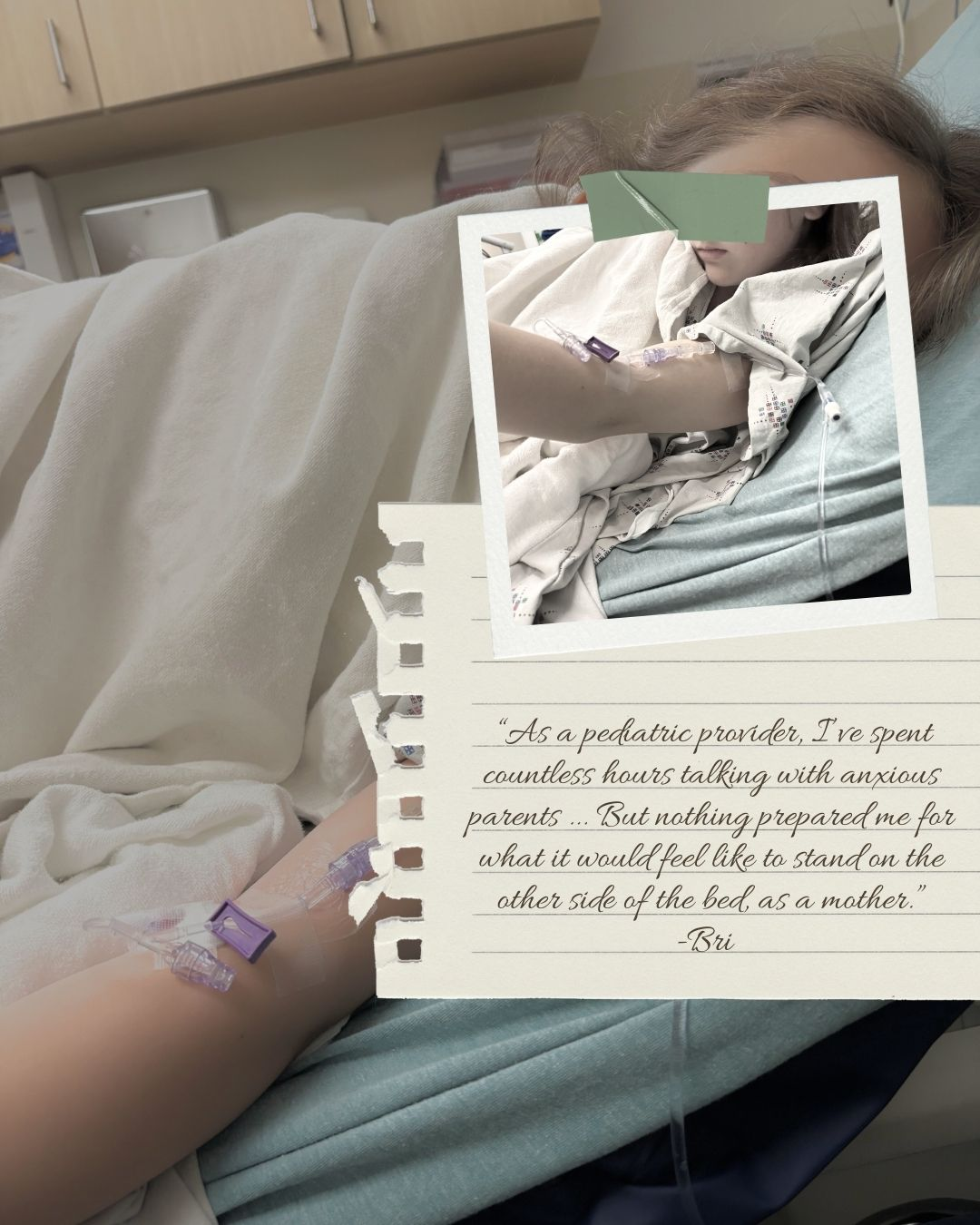
    As a pediatric provider, I’ve spent countless hours talking with anxious parents—explaining diagnoses, discussing treatment plans, and reassuring not only my patients but their families, especially the mothers, when their child is admitted to the hospital. I’ve always aimed to be the calm, clear, and compassionate voice in the room, using my education and clinical experience to guide care with confidence. But nothing prepared me for what it would feel like to stand on the other side of the bed, as a mother. 

    When my daughter went to the emergency department with abdominal pain, I initially assumed it was just menstrual cramps. Still, my clinical brain kicked in, running through all the differential diagnoses. Labs and imaging were ordered. Appendicitis crossed my mind, but I didn’t truly believe that’s what it would be. I expected pain medication, an ultrasound confirming everything was benign, and then home. Then the ED physician walked in and said, “It presented atypically, but it is appendicitis. She’ll need surgery tonight.” In that moment, I looked at my daughter, and my clinical brain shut off and my mama heart took over. 

    I wasn’t in control. I couldn’t write the orders, page the surgeon, or fast-forward to recovery. I couldn’t even distract myself with clinical tasks while she was in surgery. All I could do was sit by her side, hold her hand, and be her comfort, reassuring her that she was in the best hands and that we’d be right there waiting when she woke up. 

    That feeling, the helplessness, the deep ache, the fear, was the very one so many parents have described to me over the years. But I had never truly understood it until it washed over me like a wave. And it was harder than I ever imagined. 

    I had to trust the team, just as I ask the families I care for to trust my team. I had to let go of being the provider and just be mom. 

    Later, as I sat at her bedside watching her sleep post-op, I felt a profound empathy for the parents I’ve supported over the years, an empathy that no textbook or training could ever teach me. That moment reminded me that while knowledge is powerful, presence is healing. 

    This experience didn’t make me less of a provider; it made me a better one. Because now, when I speak to a worried parent while their child is in surgery, I’ll carry with me not just my clinical training, but the raw, real memory of what it means to love a child from the other side of the bed. 
  • Anxious Hearts and Brave Moms 

    Anxious Hearts and Brave Moms 

    Copyright Kristen G Photography
    Copyright Kristen G Photography

    A journey in supporting our daughters with anxieties 

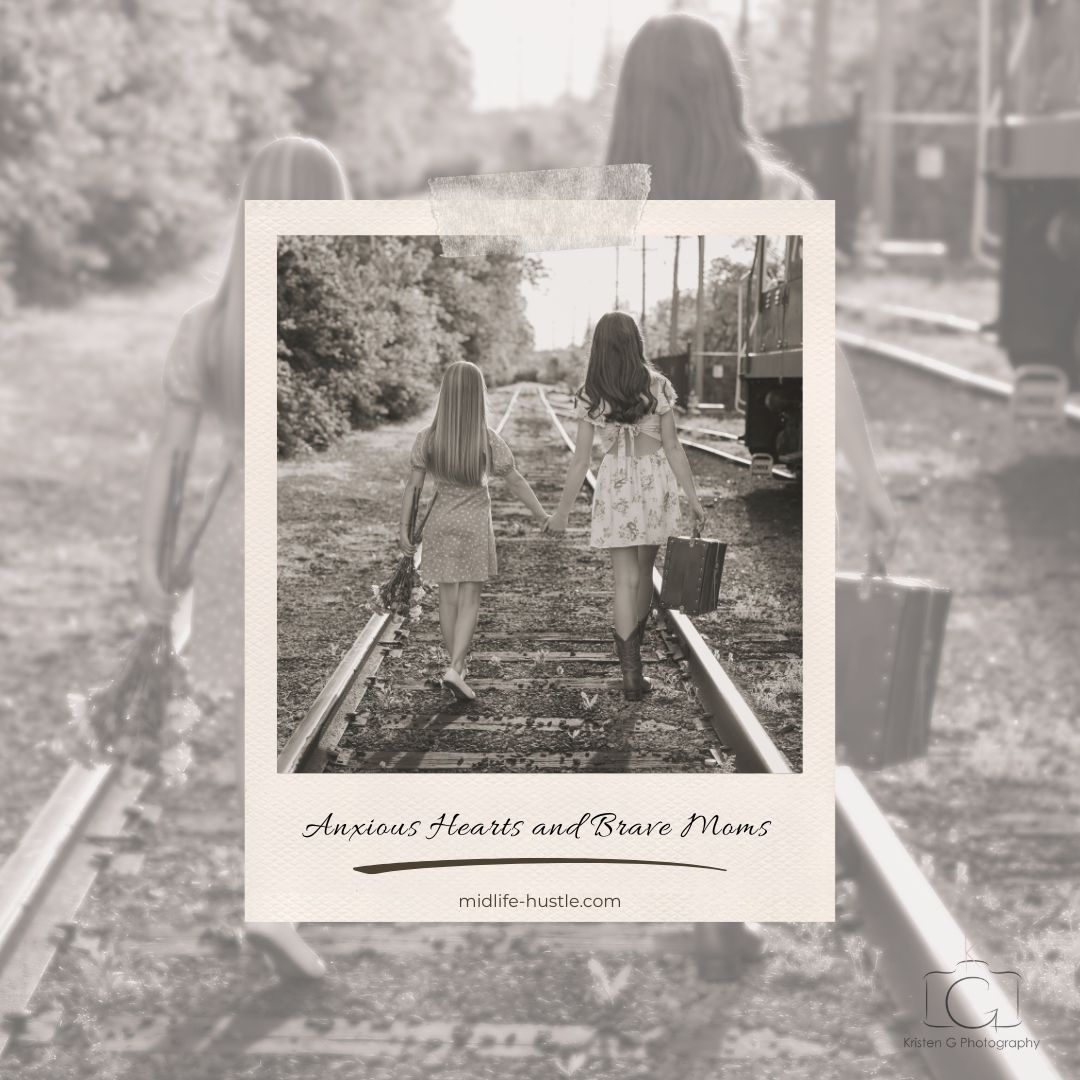
    Between the two of us, we’re raising two daughters with very different types of anxiety, one a teenager whose social anxiety can feel completely debilitating, and the other a child whose food anxiety is so intense she would rather go hungry than eat. As moms, we lean on each other for support, share our fears and frustrations, and celebrate even the smallest victories together. 

    My daughter is deep in the teenage years, and like many parents, I’ve often found myself blaming her social anxiety on the impact of COVID. Maybe that’s just an easy scapegoat, but it doesn’t make what she’s going through any less real. There are so many tools out there to help our kids, but if we don’t even know they exist, how can we offer them? I used to vent to Kristen, feeling frustrated that my daughter would rather stay in her room than come to a family gathering. But when I finally sat down and really listened, I discovered something deeper: she didn’t want the attention. She avoided birthday parties, not because she didn’t like people, but because the idea of being sung to or opening gifts in front of others made her incredibly anxious. It wasn’t defiance—it was fear. And that changed everything for me. 

    My daughter is now a pre-teen, but her struggle with food anxiety began long before she had the words to explain what she was feeling. In those early years, we followed every recommendation from doctors and specialists, trying to find something that would make eating feel easier for her. Some foods she’d accept, most she wouldn’t. And while we kept trying, there was always this quiet ache in me. I could see she was struggling, but I didn’t know how to help. I didn’t yet understand what she needed, and she couldn’t yet tell me. Those early years were filled with guesswork and lot of prayer, trying to decode a language she didn’t yet have words for. And in the quiet moments, I often wished I could trade places with her, just to understand what felt so hard. But as the years passed and her voice grew stronger, something in me shifted too. Now that she’s older and able to express herself, I’ve come to realize that my role isn’t to fix it, but to walk alongside her. Supporting her means encouraging without pushing too hard, offering consistency while also allowing space, giving her the autonomy to feel safe and the confidence to find her voice. To complicate things, she also has a peanut allergy (which I’ll share more about in a future post), that has deepened her anxiety around food. Even moments that should feel simple, like sharing a meal at a friend’s house or going out to dinner, can feel layered and overwhelming for both of us. But we’re learning together. And that, more than any meal plan or feeding strategy, has made all the difference. 

    Though our daughters struggle with very different types of anxiety, we’ve found real support in each other. Together, we’ve created safe spaces where our girls can express their fears, feel heard, and know their emotions are valid, while still being gently encouraged to take steps forward. Bri is a sounding board for Kristen’s daughter, and Kristen is a steady source of support for Bri’s. We remind them often: It’s okay to feel this way. It’s okay to be scared. But facing those fears, whether it’s meeting up with friends or going to a restaurant, can make things feel a little easier over time. We try to stay calm, using encouraging words like, “We’ve got this together,” “It’s okay to feel nervous,” or “What part feels the scariest right now?” Our goal isn’t to erase their fear, but to help them learn how to move through it with support, strength, and understanding. 

    My daughter just wanted a pill to make the anxiety go away, and I understand that. But I wanted her to have more than a quick fix. I wanted her to have real tools, to talk to a therapist, and learn how to manage what she was feeling. If medication became part of that journey, we’d face it together. What mattered most to me was that she had a safe space to open up and with someone trained in anxiety. And if she needed to talk to me, I would listen all day long. I just don’t want her to miss out on life because of anxiety, to skip birthday parties, sit out of activities, or carry regrets. So we face it together. Yes, she has to have a birthday party… I know, I know, forcing your kid to have a birthday party. We talk, we compromise, and she learns that stepping into discomfort can be survivable, and sometimes even rewarding. I want her to be surrounded by friends, to join a team, to learn how to work through conflict and collaboration. These aren’t just experiences; they’re life skills. And anxiety doesn’t get to take them away. 

    Up until recently, taking my daughter to a friend’s house (or gasp) a restaurant, felt like I wasn’t just prepping for a meal, I was preparing for an emotional obstacle course. I’d pack food or feed her ahead of time, plan escape routes, and silently rehearse how to dodge awkward questions. The funny thing is, she never asked me to do any of that. That anxiety? All mine. I wanted to shield her from the awkwardness of eating in front of others, but I’ve learned that letting her speak for herself, and letting trusted friends and family speak into her, has actually helped her feel more confident and safe. She’s learning to ask questions, get reassurance, and take control of the situation. And I’m learning to unclench. We’ve also had the support of some incredible feeding teams at our local children’s hospitals (pediatricians, dietitians, therapists) all helping us navigate this path through the years. They’ve equipped her with tools to handle anxious moments, and maybe more importantly, they’ve taught me to back off just enough to let her use them. These days, I can finally relax a bit at loved ones’ homes. I no longer hover with a packed meal or eye the dining table like it’s a landmine field. I trust her voice, and I trust the people around us to meet her where she’s at. As for restaurants…those are still trickier, but we’ve found our rhythm. I usually scope things out ahead of time by checking menus, calling to ask about allergens, or letting her read the options herself so she knows what to expect. That little bit of prep helps her feel more in control walking in… and helps me show up as her mom, not her manager. 

    As moms navigating two very different journeys with anxiety, we’ve come to realize that while the triggers may differ, the heart of the struggle, and the love behind our support, is the same. We’ve learned to listen more, to react less, and to meet our daughters where they are, not where we wish they’d be. Whether it’s guiding a teen through the quiet panic of social anxiety or helping a child face overwhelming fears around food and eating, our goal is to help them move forward, not perfectly, but bravely. This blog is our way of sharing that journey with you. We hope our stories remind you that you’re not alone, that progress is possible, and that there’s strength in walking through fear, one step, one meal, one birthday party at a time. Together, we can raise brave kids with anxious hearts, and be brave moms right alongside them. 

    Copyright Kristen G Photography
    Copyright Kristen G Photography
  • Her Grown-Up, Still Growing Mom

    Her Grown-Up, Still Growing Mom

    Copyright Kristen G Photography
    Copyright Kristen G Photography

    Raising kids is incredibly challenging; any parent can tell you that. I believe every parent does the best they can with the experience, tools, and knowledge they were given. Now that my daughter is an adult, I find myself struggling to balance being her friend while still guiding her, hoping she won’t repeat some of the mistakes I made, and that she’ll find success and happiness in life. 

    My role, once clearly defined by boundaries, rules, and protection, is now evolving. That role is being balanced, sometimes unsteadily, with friendship. It’s a transition that requires humility, patience, and a willingness to grow alongside her. 

    It feels like just a few short years ago, I was the authority. My job was to guide her, correct her, and make decisions in her best interest, often without her fully understanding. You know those lines: “Because I said so,” or “Because it’s what’s best for you.” Now, she’s building a life of her own. While I still expect her to respect the rules of my home and communicate openly when she’s staying with me, something has undeniably shifted. I’m learning to listen more and advise less… something that, honestly, doesn’t come naturally to me. 

    Becoming friends with my adult daughter doesn’t mean I’m stepping away from being her parent, it means reshaping that role. I still offer support and guidance, but with the understanding that she’s going to make her own decisions. 

    Our friendship has grown through honest conversations, mutual respect, and a deeper appreciation for each other as individuals. I’ve come to truly value her perspective, just as I hope she values mine. We laugh together, we share our struggles, and we have real, adult conversations. 

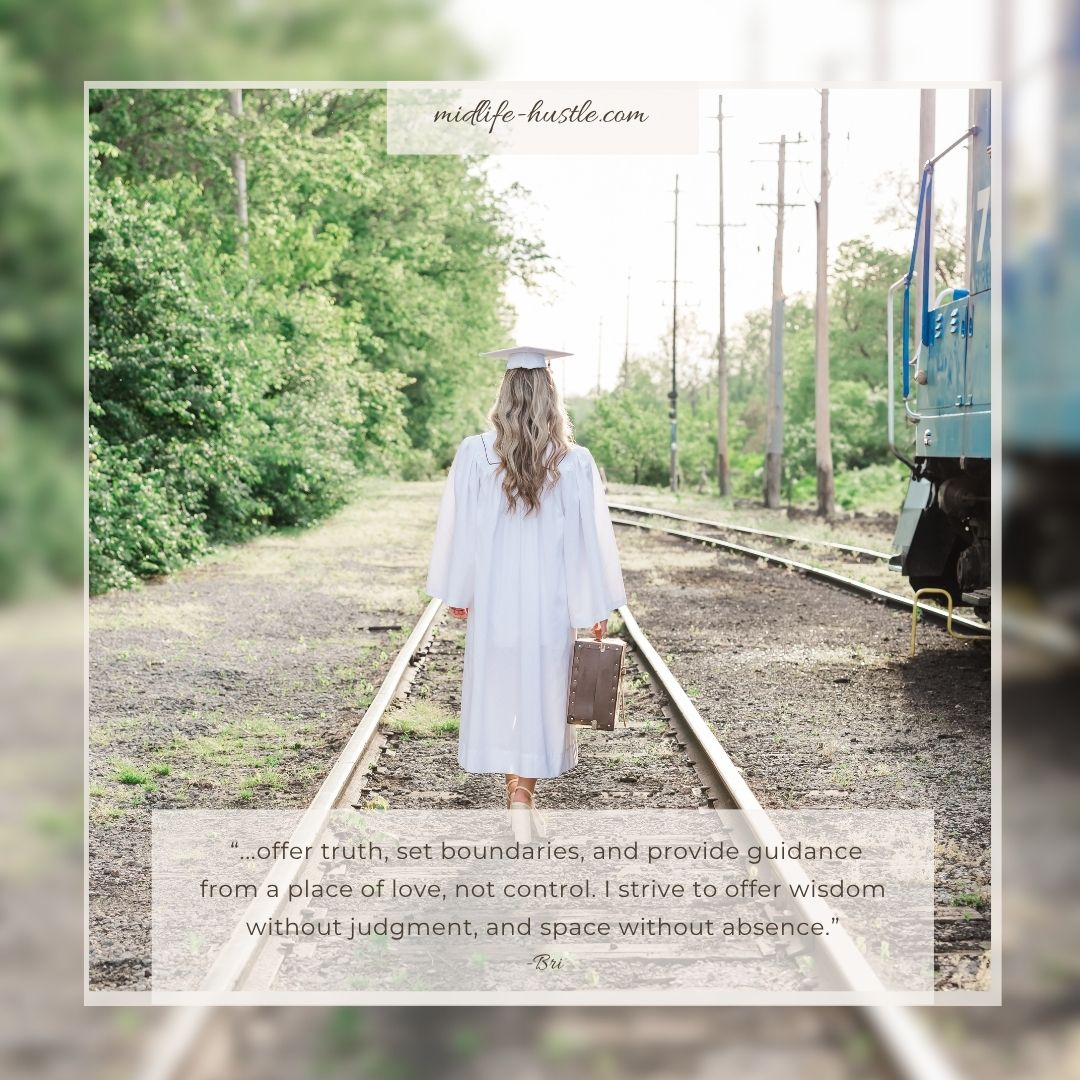
    Still, the parent in me never fully steps aside, and she knows it. Sometimes she has to lovingly remind me to back off a bit. I try to use those moments to offer truth, set boundaries, and provide guidance from a place of love, not control. I strive to offer wisdom without judgment, and space without absence. 

    Being both a parent and a friend to my adult daughter is one of the most rewarding and complex roles I’ve ever had. As my oldest child, she’s the first to lead me into this new chapter of motherhood. It’s a role that demands continuous growth and the ability to see her not just as my daughter, but as a full, capable person. In doing so, I’ve gained not only a daughter I’m proud of but also a friendship that I deeply cherish. 


    Copyright Kristen G Photography
    Copyright Kristen G Photography